
Certified Guidance For Cleaning Up Of Blood Or Bodily Fluids: Bio-Tec's No Out-of-Pocket Biohazard Remediation Table of Contents: Blood Spill Decontamination Protocol and Safety Introduction: The Invisible Risk in Biological Spills The Non-Negotiable Risk: Why Guidance For Cleaning Up Of Blood Or Bodily Fluids Demands Experts The Health Threat: Pathogen Risk Management and Bloodborne Illnesses The Certified Standard: Blood Spill Decontamination Protocol Steps Beyond Surface Cleaning: Bodily Fluid Remediation and Structural Safety Legal Imperative: OSHA Com

Guidance For Cleaning Up Of Blood Or Bodily Fluids
Certified Guidance For Cleaning Up Of Blood Or Bodily Fluids: Bio-Tec's No Out-of-Pocket Biohaz...
🩸 The Scientific Necessity: Why Post Crime Blood And Body Fluid Removal Services Demand Bio-Tec’s Expert Compliance Did you know that handling just one milliliter of contaminated blood without proper protection can transmit deadly pathogens? This startling fact underscores why the cleanup after any traumatic incident is not a cleaning problem it is a public health emergency. When violence, accident, or death occurs, the resulting blood and body fluid removal services must be executed by certified professionals. Ignoring this critical step means risking catastrophic health consequences and facing severe legal liabilities. Standard cleaning methods simply cannot neutrali

Post Crime Blood And Body Fluid Removal
🩸 The Scientific Necessity: Why Post Crime Blood And Body Fluid Removal Services Demand Bio-T...
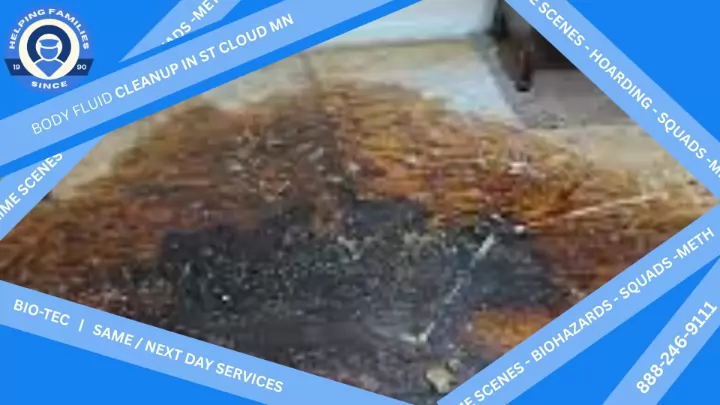
Expert Bodily Fluid Cleanup Services: How Bio-Tec Ensures Health, Safety, and Compassion Did you know that a single drop of blood can carry pathogens that can live on surfaces for days, or even weeks? The cleanup of human or animal bodily fluids be it blood, vomit, urine, or feces is far more than a simple matter of sanitation. It is a critical biohazard situation. These substances can harbor a dangerous array of bacteria, viruses, and other pathogens that pose a significant health risk to anyone who comes into contact with them.For families, businesses, or property managers in Bath, ME, the decision to hire a professional for "Bodily Fluid Cleanup ser
Bodily Fluid Cleanup Services
Expert Bodily Fluid Cleanup Services: How Bio-Tec Ensures Health, Safety, an...
What is professional hoarding cleanup?
Professional hoarding cleanup is a specialized service that helps individuals with hoarding disorder or extreme clutter restore their living spaces to a safe, functional, and sanitary condition. Unlike regular cleaning services, hoarding cleanup professionals are trained to handle hazardous materials, biohazards, mold, pest infestations, and excessive clutter with care and discretion. These services also provide emotional support and work with mental health professionals when needed to ensure a compassionate and structured approach. The cleanup process typically includes assessment, sorting, organizing, deep cleaning, and sanitization. Many professional hoarding cleanup companies also offer follow-up support to help individuals maintain a clutter-free environment in the long run.
What steps are taken if additional contamination is found after the initial cleanup?
Additional testing and decontamination measures are initiated promptly to address any remaining contaminants.
Is professional blood cleanup covered by insurance?
In many cases, homeowner or property insurance policies cover the cost of professional blood cleanup. Its advisable to check with your insurance provider to understand your coverage and any necessary documentation.
What specialized training do suicide cleanup professionals undergo?
Professional suicide cleanup technicians undergo rigorous and specialized training that goes far beyond standard cleaning practices, equipping them to handle the complex and dangerous nature of biohazard scenes. Key areas of their training typically include: **Bloodborne Pathogen (BBP) Certification** (OSHA 29 CFR 1910.1030), which covers the dangers of bloodborne pathogens, safe work practices, proper use of Personal Protective Equipment (PPE), and exposure control plans. They also receive in-depth training on **biohazard identification and containment**, learning to recognize different types of biological contaminants and implement strict containment measures to prevent cross-contamination. **Advanced disinfection and deodorization techniques** are a core component, teaching them how to use specialized, industrial-grade enzymatic cleaners, disinfectants, and deodorizers that effectively neutralize odors and pathogens at a molecular level, rather than just masking them. Training also covers the safe operation of specialized equipment, such as ozone generators, hydroxyl generators, and HEPA air scrubbers, which are crucial for thorough air purification and odor elimination. Crucially, they are trained in **proper waste management and disposal procedures** for biohazardous materials, ensuring compliance with strict federal, state, and local regulations. Furthermore, many professionals receive training in **compassionate communication and discretion**, understanding the immense emotional sensitivity required when working with grieving families. This comprehensive training ensures they can perform their duties safely, effectively, and with the utmost professionalism and respect.
What are the psychological effects of tear gas exposure?
Exposure to tear gas can cause stress and anxiety, especially for individuals who experience it in traumatic situations. Professional cleanup helps restore a sense of safety and normalcy in affected environments.
What kind of disinfectants are used for high-risk areas?
High-risk areas are treated with hospital-grade and EPA-approved disinfectants known for their efficacy against a wide range of pathogens.
How are vehicles cleaned after transporting suspects exposed to industrial chemicals?
Vehicles are decontaminated using techniques tailored to neutralize specific chemical hazards.
What is the protocol when biological waste contaminates squad car seat adjustment levers?
Levers are sanitized using tools designed to access small and intricate areas effectively.
What does the initial assessment phase involve?
The initial assessment documents the extent of contamination and identifies all areas requiring remediation.
What steps are necessary when biohazards are found under fixed vehicle components?
The components are carefully dismantled if needed, and the area is sanitized thoroughly.
HOME > blog > Bodily Fluid Cleanup > bath > me