
Certified Guidance For Cleaning Up Of Blood Or Bodily Fluids: Bio-Tec's No Out-of-Pocket Biohazard Remediation Table of Contents: Blood Spill Decontamination Protocol and Safety Introduction: The Invisible Risk in Biological Spills The Non-Negotiable Risk: Why Guidance For Cleaning Up Of Blood Or Bodily Fluids Demands Experts The Health Threat: Pathogen Risk Management and Bloodborne Illnesses The Certified Standard: Blood Spill Decontamination Protocol Steps Beyond Surface Cleaning: Bodily Fluid Remediation and Structural Safety Legal Imperative: OSHA Com

Guidance For Cleaning Up Of Blood Or Bodily Fluids
Certified Guidance For Cleaning Up Of Blood Or Bodily Fluids: Bio-Tec's No Out-of-Pocket Biohaz...
🩸 The Scientific Necessity: Why Post Crime Blood And Body Fluid Removal Services Demand Bio-Tec’s Expert Compliance Did you know that handling just one milliliter of contaminated blood without proper protection can transmit deadly pathogens? This startling fact underscores why the cleanup after any traumatic incident is not a cleaning problem it is a public health emergency. When violence, accident, or death occurs, the resulting blood and body fluid removal services must be executed by certified professionals. Ignoring this critical step means risking catastrophic health consequences and facing severe legal liabilities. Standard cleaning methods simply cannot neutrali

Post Crime Blood And Body Fluid Removal
🩸 The Scientific Necessity: Why Post Crime Blood And Body Fluid Removal Services Demand Bio-T...
Expert Bodily Fluid Cleanup Services: How Bio-Tec Ensures Health, Safety, and Compassion Did you know that a single drop of blood can carry pathogens that can live on surfaces for days, or even weeks? The cleanup of human or animal bodily fluids be it blood, vomit, urine, or feces is far more than a simple matter of sanitation. It is a critical biohazard situation. These substances can harbor a dangerous array of bacteria, viruses, and other pathogens that pose a significant health risk to anyone who comes into contact with them.For families, businesses, or property managers in , , the decision to hire a professional for "Bodily Fluid Cleanup ser
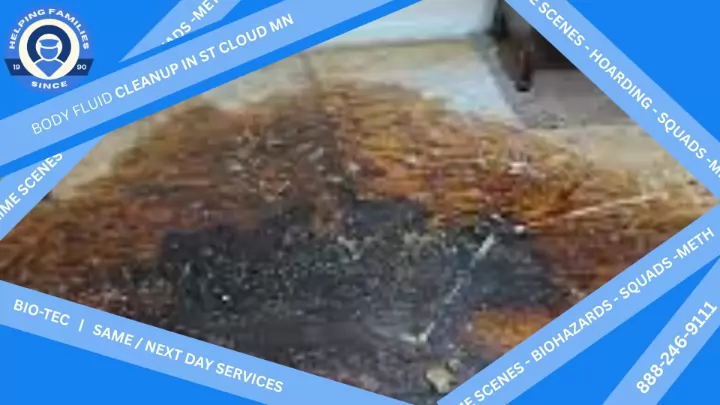
Bodily Fluid Cleanup Services
Expert Bodily Fluid Cleanup Services: How Bio-Tec Ensures Health, Safety, an...
What process is used for cleaning after transporting individuals exposed to infectious diseases?
Vehicles undergo deep cleaning and sanitization to neutralize disease-causing pathogens effectively.
How is air quality maintained during the cleaning process?
HEPA filters, proper ventilation, and air monitoring systems are used to ensure optimal air quality during and after cleaning.
What measures are taken after biohazard materials are spread during a high-stress chase?
All contaminated surfaces are cleaned, sanitized, and tested to ensure safety.
Is mold testing necessary before buying a home?
Yes it helps uncover hidden mold issues that could affect property value and health.
How long does a typical crime scene cleanup take?
The process can range from a few hours to several days, depending on the extent and complexity of the contamination.
Do suicide cleanup services handle all types of biohazards, not just blood?
Yes, professional suicide cleanup services are trained and equipped to handle a wide range of biohazards beyond just blood. While blood is a common component of many suicide scenes, the decomposition process can involve other bodily fluids, tissue, and potentially infectious agents. Their expertise extends to: **Bodily Fluids:** This includes urine, feces, vomit, and other secretions that can be present and carry pathogens. **Tissue and Organic Matter:** Any remnants of human tissue or other organic materials resulting from decomposition are also considered biohazards and are handled with strict protocols. **Pathogens:** Cleanup crews are trained to disinfect against a broad spectrum of pathogens, including bacteria (e.g., MRSA), viruses (e.g., Hepatitis, HIV), and other microorganisms that can thrive in biological contamination. **Odor-Causing Compounds:** While not biohazards themselves, the volatile organic compounds (VOCs) released during decomposition are a significant part of the cleanup challenge. Professionals use specialized deodorization techniques to neutralize these pervasive smells. In addition to suicide scenes, many of these companies also handle other trauma and biohazard situations, such as unattended deaths (which often involve significant decomposition), crime scenes, industrial accidents with biological contamination, and even hoarding situations where animal or human waste may be present. Their comprehensive training in biohazard remediation ensures they are prepared for the diverse array of biological contaminants that can occur in various traumatic scenarios, going beyond just visible blood cleanup to address all potential health risks.
What role do public health departments play in fentanyl contamination cases?
Public health departments play a critical role in addressing fentanyl contamination by providing guidance, resources, and regulatory oversight. They may conduct initial assessments to determine the extent of contamination and recommend certified cleanup services. Public health officials also work to educate the community about the risks of fentanyl exposure, emphasizing the importance of professional intervention to mitigate biohazard risks.
What measures are used to clean vehicles exposed to hazardous drug packaging?
Professionals carefully remove drug residue and sanitize affected areas to eliminate contamination risks.
How are squad cars cleaned after exposure to infectious respiratory droplets?
The vehicle undergoes a thorough disinfection process using agents designed to neutralize airborne pathogens.
Are professional decomposition odor removal services necessary?
Yes, professional decomposition odor removal services are almost always necessary for significant or persistent decomposition smells. While minor odors from a small, recently deceased rodent might be manageable with DIY efforts, larger decomposition events (such as an unattended death, a large animal carcass, or severe hoarding situations) produce a complex cocktail of volatile organic compounds (VOCs) that deeply permeate porous materials. These odors are not only overwhelmingly offensive but can also pose health risks, particularly for individuals with respiratory sensitivities, due to the presence of bacteria, viruses, and other biohazards. Professionals have the specialized training, experience, and equipment required for proper remediation. They follow strict safety protocols, including the use of appropriate Personal Protective Equipment (PPE), to protect themselves from exposure to biohazards and hazardous chemicals. They can accurately identify the full extent of contamination, including hidden areas, and employ powerful industrial-grade cleaners, disinfectants, and deodorizers that are far more effective than consumer-grade products. Furthermore, professionals use advanced technologies like ozone generators and hydroxyl generators to neutralize airborne and embedded odors that DIY methods cannot eliminate. They also handle the proper disposal of biohazardous waste according to local, state, and federal regulations, which is a critical step often overlooked by homeowners. Attempting to manage a significant decomposition cleanup yourself can lead to incomplete odor removal, re-contamination, prolonged health risks, and emotional distress. Therefore, for effective, safe, and complete odor abatement and environmental restoration, professional intervention is strongly recommended.
HOME > blog > Bodily Fluid Cleanup > cebolla > posts.xml