
Certified Guidance For Cleaning Up Of Blood Or Bodily Fluids: Bio-Tec's No Out-of-Pocket Biohazard Remediation Table of Contents: Blood Spill Decontamination Protocol and Safety Introduction: The Invisible Risk in Biological Spills The Non-Negotiable Risk: Why Guidance For Cleaning Up Of Blood Or Bodily Fluids Demands Experts The Health Threat: Pathogen Risk Management and Bloodborne Illnesses The Certified Standard: Blood Spill Decontamination Protocol Steps Beyond Surface Cleaning: Bodily Fluid Remediation and Structural Safety Legal Imperative: OSHA Com

Guidance For Cleaning Up Of Blood Or Bodily Fluids
Certified Guidance For Cleaning Up Of Blood Or Bodily Fluids: Bio-Tec's No Out-of-Pocket Biohaz...
🩸 The Scientific Necessity: Why Post Crime Blood And Body Fluid Removal Services Demand Bio-Tec’s Expert Compliance Did you know that handling just one milliliter of contaminated blood without proper protection can transmit deadly pathogens? This startling fact underscores why the cleanup after any traumatic incident is not a cleaning problem it is a public health emergency. When violence, accident, or death occurs, the resulting blood and body fluid removal services must be executed by certified professionals. Ignoring this critical step means risking catastrophic health consequences and facing severe legal liabilities. Standard cleaning methods simply cannot neutrali

Post Crime Blood And Body Fluid Removal
🩸 The Scientific Necessity: Why Post Crime Blood And Body Fluid Removal Services Demand Bio-T...
Expert Bodily Fluid Cleanup Services: How Bio-Tec Ensures Health, Safety, and Compassion Did you know that a single drop of blood can carry pathogens that can live on surfaces for days, or even weeks? The cleanup of human or animal bodily fluids be it blood, vomit, urine, or feces is far more than a simple matter of sanitation. It is a critical biohazard situation. These substances can harbor a dangerous array of bacteria, viruses, and other pathogens that pose a significant health risk to anyone who comes into contact with them.For families, businesses, or property managers in , , the decision to hire a professional for "Bodily Fluid Cleanup ser
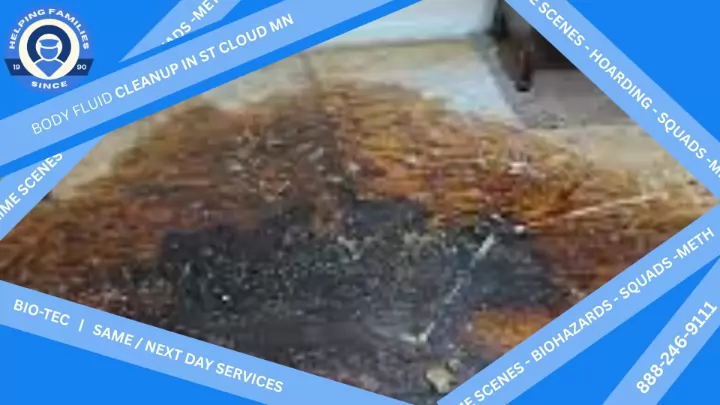
Bodily Fluid Cleanup Services
Expert Bodily Fluid Cleanup Services: How Bio-Tec Ensures Health, Safety, an...
What items do hoarders commonly collect?
Hoarders tend to collect a wide variety of items, often including newspapers, magazines, clothing, household items, and food. Some hoarders accumulate electronic devices, books, collectibles, or sentimental objects. In extreme cases, individuals may hoard animals, leading to unsanitary living conditions. Many hoarded items have little to no practical value, but individuals with hoarding disorder often struggle with the emotional attachment to their possessions. Professional hoarding cleanup services help clients sort through their belongings and decide what to keep, donate, or discard, ensuring a more organized and manageable living environment.
Why is DIY fentanyl cleanup dangerous?
Attempting to clean a fentanyl-contaminated property without professional expertise is extremely dangerous. Inadequate protective measures can result in accidental exposure, leading to serious health risks. Additionally, DIY efforts often fail to fully decontaminate the property, leaving residual biohazards that pose ongoing risks. Professional cleanup teams have the training, equipment, and protocols necessary to safely and effectively address fentanyl contamination.
How do hoarding cleanup teams ensure client privacy?
Reputable hoarding cleanup services prioritize client privacy and discretion. They often use unmarked vehicles, confidential scheduling, and trained staff who handle cases with sensitivity. Many companies have strict confidentiality policies to ensure that personal information remains private. If a client is concerned about privacy, it’s important to discuss expectations with the cleanup service beforehand. By maintaining discretion, cleanup teams help clients feel more comfortable throughout the process.
How do professionals clean residual odors from squad cars after biohazard removal?
Odor-neutralizing equipment such as ozone generators is used to fully eliminate lingering smells.
How are sensitive onboard electronics handled during cleaning?
Electronics are carefully shielded or temporarily removed to protect them from moisture and chemical exposure.
What cleaning protocols are applied when bodily fluids seep into electronic components?
Electronics are sanitized carefully using non-damaging techniques while ensuring complete biohazard removal.
Can hoarding cleanup services assist people with disabilities?
Yes, hoarding cleanup services often assist people with disabilities who may struggle to maintain their living space due to physical or cognitive challenges. Cleanup teams provide accessibility solutions, remove hazards, and create a safer home environment. They may also work with caregivers, social services, and disability support organizations to ensure long-term assistance is available. Special considerations are made to accommodate mobility aids and create an organized, functional space for individuals with disabilities.
How do hazard communication standards apply to crime scene remediation?
These standards ensure that workers are fully informed about potential hazards and the proper procedures for safe cleanup operations.
What steps are taken if bodily fluids enter into door locking mechanisms?
Mechanisms are dismantled as needed, cleaned, disinfected, and reassembled for safe use.
Are there legal and regulatory requirements for suicide cleanup?
Yes, there are significant legal and regulatory requirements governing suicide cleanup, primarily due to the biohazardous nature of the scene. The Occupational Safety and Health Administration (OSHA) is the primary federal agency that sets standards for worker safety, and its **Bloodborne Pathogens Standard (29 CFR 1910.1030)** is highly relevant. This standard dictates strict guidelines for employees who may be exposed to blood or other potentially infectious materials (OPIM), requiring specific training, personal protective equipment (PPE), exposure control plans, and procedures for vaccination and post-exposure evaluation. Furthermore, the **Environmental Protection Agency (EPA)** and state-specific environmental regulations govern the proper handling, transportation, and disposal of biohazardous waste. This means that blood, tissue, and contaminated porous materials cannot simply be thrown into regular trash; they must be treated as medical waste and disposed of by licensed facilities. Some states also have specific laws or regulations pertaining to trauma scene cleanup, defining what constitutes a regulated medical waste and outlining proper cleanup procedures. Property owners themselves can be held liable if improper cleanup leads to health hazards for future occupants. Professional cleanup companies are knowledgeable about these intricate regulations and possess the necessary licenses and permits for biohazard waste transportation and disposal, ensuring the cleanup is performed legally and safely. Attempting a DIY cleanup without adherence to these regulations can lead to fines, legal repercussions, and ongoing health and safety risks.
HOME > blog > Bodily Fluid Cleanup > conger > posts.xml