
Certified Guidance For Cleaning Up Of Blood Or Bodily Fluids: Bio-Tec's No Out-of-Pocket Biohazard Remediation Table of Contents: Blood Spill Decontamination Protocol and Safety Introduction: The Invisible Risk in Biological Spills The Non-Negotiable Risk: Why Guidance For Cleaning Up Of Blood Or Bodily Fluids Demands Experts The Health Threat: Pathogen Risk Management and Bloodborne Illnesses The Certified Standard: Blood Spill Decontamination Protocol Steps Beyond Surface Cleaning: Bodily Fluid Remediation and Structural Safety Legal Imperative: OSHA Com

Guidance For Cleaning Up Of Blood Or Bodily Fluids
Certified Guidance For Cleaning Up Of Blood Or Bodily Fluids: Bio-Tec's No Out-of-Pocket Biohaz...
🩸 The Scientific Necessity: Why Post Crime Blood And Body Fluid Removal Services Demand Bio-Tec’s Expert Compliance Did you know that handling just one milliliter of contaminated blood without proper protection can transmit deadly pathogens? This startling fact underscores why the cleanup after any traumatic incident is not a cleaning problem it is a public health emergency. When violence, accident, or death occurs, the resulting blood and body fluid removal services must be executed by certified professionals. Ignoring this critical step means risking catastrophic health consequences and facing severe legal liabilities. Standard cleaning methods simply cannot neutrali

Post Crime Blood And Body Fluid Removal
🩸 The Scientific Necessity: Why Post Crime Blood And Body Fluid Removal Services Demand Bio-T...
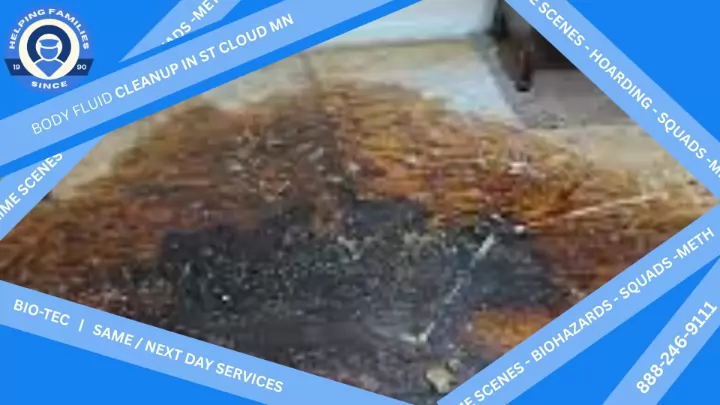
Expert Bodily Fluid Cleanup Services: How Bio-Tec Ensures Health, Safety, and Compassion Did you know that a single drop of blood can carry pathogens that can live on surfaces for days, or even weeks? The cleanup of human or animal bodily fluids be it blood, vomit, urine, or feces is far more than a simple matter of sanitation. It is a critical biohazard situation. These substances can harbor a dangerous array of bacteria, viruses, and other pathogens that pose a significant health risk to anyone who comes into contact with them.For families, businesses, or property managers in Corinth, AR, the decision to hire a professional for "Bodily Fluid Cleanup ser
Bodily Fluid Cleanup Services
Expert Bodily Fluid Cleanup Services: How Bio-Tec Ensures Health, Safety, an...
What steps are taken if bodily fluids enter into door locking mechanisms?
Mechanisms are dismantled as needed, cleaned, disinfected, and reassembled for safe use.
How is damage from hazardous drug residue in squad vehicles addressed?
Drug residue is treated as a biohazard, requiring thorough cleaning and sanitization.
What kind of documentation should I expect from a meth testing report?
A professional meth testing report typically includes a detailed summary of the property’s layout, the locations where samples were taken, the method of sampling, lab analysis results (often in micrograms per 100 cm²), and a clear interpretation of those results in context of local standards. It may also include photos, floor plans, a contamination map, and recommendations for remediation if needed. For legal or real estate purposes, certified documentation with chain-of-custody forms and lab accreditation details is often required to validate the findings and ensure admissibility in disputes or transactions.
?What is mold testing?
Mold testing is the process of analyzing air or surface samples to detect mold presence and assess contamination levels.
Why is biohazard cleaning important for police squads?
It ensures the safety of officers and the public by preventing exposure to harmful pathogens.
What precautions should be taken during tear gas cleanup?
Cleanup personnel must wear appropriate PPE, including respirators, gloves, and protective clothing. Areas should be ventilated, and contaminated materials should be safely disposed of according to regulations.
What measures are taken if tear gas residue contaminates squad car interiors?
Residue is neutralized with specialized cleaning agents and odor elimination tools.
Is attic insulation affected by rodent infestations?
Yes, rodents often nest in insulation, contaminating it with urine and droppings, requiring replacement.
Are there legal consequences for not testing suspected meth properties?
Yes, failing to test or disclose meth contamination—when suspected or known—can have serious legal consequences. Property owners can be held liable for health problems experienced by tenants or buyers. In some regions, laws require mandatory disclosure of contamination and/or testing before property transfers. Landlords may face lawsuits for negligence, and real estate transactions may be voided if meth contamination is discovered post-sale. Insurance claims may also be denied if proper testing and documentation werent conducted. Proactively testing and addressing contamination not only ensures safety but also protects property owners from costly legal disputes.
Can the smell of a dead body or decomposition be harmful to health?
Yes, the smell of a dead body or decomposition can indeed be harmful to health, particularly with prolonged exposure or in poorly ventilated spaces. The foul odor is caused by the release of numerous volatile organic compounds (VOCs) and gases as organic matter breaks down. These include compounds like cadaverine, putrescine, hydrogen sulfide (rotten eggs), ammonia, methane, and various thiols and disulfides (rotten cabbage/garlic smell). While the immediate danger of simply smelling these compounds is often low, prolonged or intense exposure can lead to acute health effects. Common symptoms include: respiratory irritation (coughing, wheezing, shortness of breath), eye, nose, and throat irritation, headaches, nausea, dizziness, and fatigue. Individuals with pre-existing respiratory conditions like asthma or allergies are particularly vulnerable to these irritants, which can trigger or exacerbate symptoms. Beyond the odor, the decomposition process involves bacteria, viruses, and other pathogens that can become airborne or present on surfaces. While the smell itself might not directly transmit disease, the underlying biological contamination poses a significant health risk. In the context of an unattended death, theres also the risk of exposure to bloodborne pathogens (like HIV, Hepatitis B/C) and other infectious agents present in bodily fluids. Professional biohazard cleanup and decontamination are essential not only to eliminate the odor but also to thoroughly disinfect the area, mitigating the risk of pathogen exposure and ensuring the space is safe for re-occupation. Therefore, any strong decomposition odor should be taken seriously as a potential indicator of a hazardous environment.
HOME > blog > Bodily Fluid Cleanup > corinth > ar